

Testosterone Replacement Therapy (TRT) in Singapore

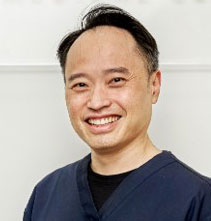
Dr Tan Kok Kuan
Men’s Health & Sexual Health Doctor
MBBS (S’pore), Cert. Men’s Health, Cert. Clinical Dermatology,Member, Academy for Men’s Health (Singapore)Member, Singapore Association for the Study of ObesityMember, International Society of Sexual Medicine
What is Testosterone Replacement Therapy?
Testosterone replacement therapy (TRT) is a medical treatment for men that restores low testosterone levels to their normal range. Testosterone is a hormone that helps develop male reproductive tissues and maintain secondary sexual characteristics, including muscle bulk, body and facial hair patterns, and bone density.
Why is Testosterone Replacement Therapy Needed?
TRT may be needed when the body does not produce enough testosterone to maintain normal hormonal function. Having a low testosterone reading does not automatically mean that treatment is necessary. Doctors generally consider TRT when testosterone deficiency has been confirmed through appropriate assessment and is associated with relevant symptoms.
The purpose of TRT is therefore to address the underlying testosterone deficiency by replacing the hormone the body is no longer producing in sufficient amounts. This may improve the symptoms that a person is experiencing due to testosterone deficiency.
What is Testosterone Deficiency Syndrome (Low Testosterone)?
Testosterone deficiency syndrome, also known as hypogonadism, is a condition characterized by insufficient production of testosterone in men. It can occur due to factors such as ageing or certain medical conditions such as type 2 diabetes, obesity, infections and autoimmune disease.
Testosterone deficiency is relatively common among older men. In Singapore, the Society for Men’s Health estimates that about one in four men aged 45 and above have some degree of testosterone deficiency.
What Causes Low Testosterone?
Low testosterone can have several possible causes, including changes with age, underlying health conditions and certain lifestyle or treatment-related factors. These may include:
- Ageing: Testosterone levels generally decline gradually as men get older.
- Injury or infection: Damage to or infection of the testes can affect testosterone production.
- Medical treatments: Chemotherapy or radiation therapy may affect testosterone levels.
- Certain medications: Some medicines, including long-term corticosteroids and certain hormone therapies, can contribute to low testosterone.
- Chronic medical conditions: Conditions such as diabetes and some hormonal disorders may be associated with lower testosterone levels.
- Lifestyle factors: Excessive alcohol consumption, ongoing stress, excess weight and low physical activity may also contribute.
What are the Symptoms of Testosterone Deficiency Syndrome?
Testosterone deficiency can affect sexual health, physical function and general well-being. Common signs and symptoms may include:
- Reduced sex drive: A noticeable decrease in libido or interest in sexual activity.
- Erectile dysfunction: Difficulty achieving or maintaining an erection.
- Decreased muscle mass: A reduction in muscle mass, strength or physical performance.
- Decreased bone density: Reduced bone strength, which may increase the risk of osteoporosis over time.
- Mood changes: Changes in mood, including irritability or low mood.
- Fatigue: Persistent tiredness, low energy or reduced motivation.
- Changes in cognitive function: Difficulty concentrating or noticing changes in memory.
How Can Testosterone Replacement Therapy Relieve These Symptoms?
For men with confirmed testosterone deficiency, TRT may help improve symptoms associated with low testosterone by restoring hormone levels to an appropriate range. Potential benefits of testosterone replacement therapy may include:
- Improved energy: TRT may help reduce fatigue and improve energy levels.
- Enhanced libido and sexual function: Treatment may improve reduced sexual desire and some aspects of sexual function.
- Improved muscle strength: Restoring testosterone levels may help support muscle mass and strength.
- Improved mood and concentration: Some men may notice improvements in mood, motivation and concentration.
- Stronger bones: TRT can help improve bone density in men with testosterone deficiency.
- Improved physical well-being: Improvements in energy, strength and other symptoms may contribute to better overall physical function.
The effects of TRT vary between individuals and may depend on factors such as the severity of testosterone deficiency, overall health and lifestyle habits. Maintaining regular exercise, a balanced diet, adequate sleep and other healthy habits can complement treatment and support overall health.
Who Should Consider a Testosterone Test?
You may want to consider a testosterone test to assess for low testosterone if you:
- Experience the above symptoms of low testosterone
- Have fertility or reproductive health concerns
- Have a history of testicular or pituitary conditions
- Have obesity, diabetes or obstructive sleep apnea
- Take medications or have undergone treatments that may affect testosterone levels
Do Any of These Apply to You?
If you recognize some of these symptoms or risk factors, a men’s health consultation can help determine whether testosterone testing may be appropriate.
What are the Different Types of Testosterone Replacement Therapy in Singapore?
There are several types of testosterone replacement therapy available in Singapore. These include:
Oral Testosterone
: This type of hormone replacement therapy involves taking a pill that can either be swallowed or attached to the gum or inner cheek.Topical Testosterone
: This method consists of applying a testosterone gel, patch or cream to the arms, shoulders or thighs.Injectable Testosterone
: This can be administered into the muscle tissue or under the skin.Testosterone Pellets
: These are small plastic implants surgically placed beneath the skin, typically in the hip or buttock region.Your doctor will advise you on the method that is best suited for your needs, as well as the instructions, dosage and frequency of use.
Are There Potential Risks and Side Effects of TRT?
TRT may have effects and potential risks that vary between individuals. It is often prescribed with ongoing medical supervision by a doctor. Possible side effects and considerations may include:
- Increased red blood cell count: TRT can raise your levels of red blood cells, which is why blood tests may be required during treatment.
- Reduced fertility: Testosterone therapy can suppress sperm production and may not be appropriate for men who are currently trying to conceive.
- Acne or oily skin: Some men may experience skin changes after starting treatment.
- Fluid retention: TRT can sometimes cause the body to retain additional fluid.
- Breast changes: Breast tenderness or enlargement may occur in some men.
- Urinary or prostate-related changes: Testosterone can affect prostate tissue, making appropriate assessment and monitoring important.
- Changes in sleep apnea: TRT may worsen obstructive sleep apnea in some individuals.
These risks do not affect everyone, and whether TRT is appropriate depends on your health, testosterone levels and individual risk factors.
Take a Personalized Approach to Testosterone Replacement Therapy
A structured clinical approach includes assessing your suitability before treatment and monitoring your response and relevant health markers after TRT has started. This allows the treatment plan to be adjusted when necessary.
At Dr Tan Medical Center, Dr Tan Kok Kuan provides testosterone assessment and replacement therapy as part of his work in men’s health. His approach considers each patient’s circumstances independently, from determining whether TRT is appropriate to selecting a suitable treatment plan and monitoring their response over time.
If you are concerned about low testosterone or would like to understand whether TRT may be suitable for you, book an appointment at our clinic for an assessment.
FAQs About Testosterone Replacement Therapy
How long does TRT take to work?
How long might I need to stay on TRT?
What happens if I stop TRT?
How often will I need monitoring while on TRT?
Our TRT Doctor in Singapore
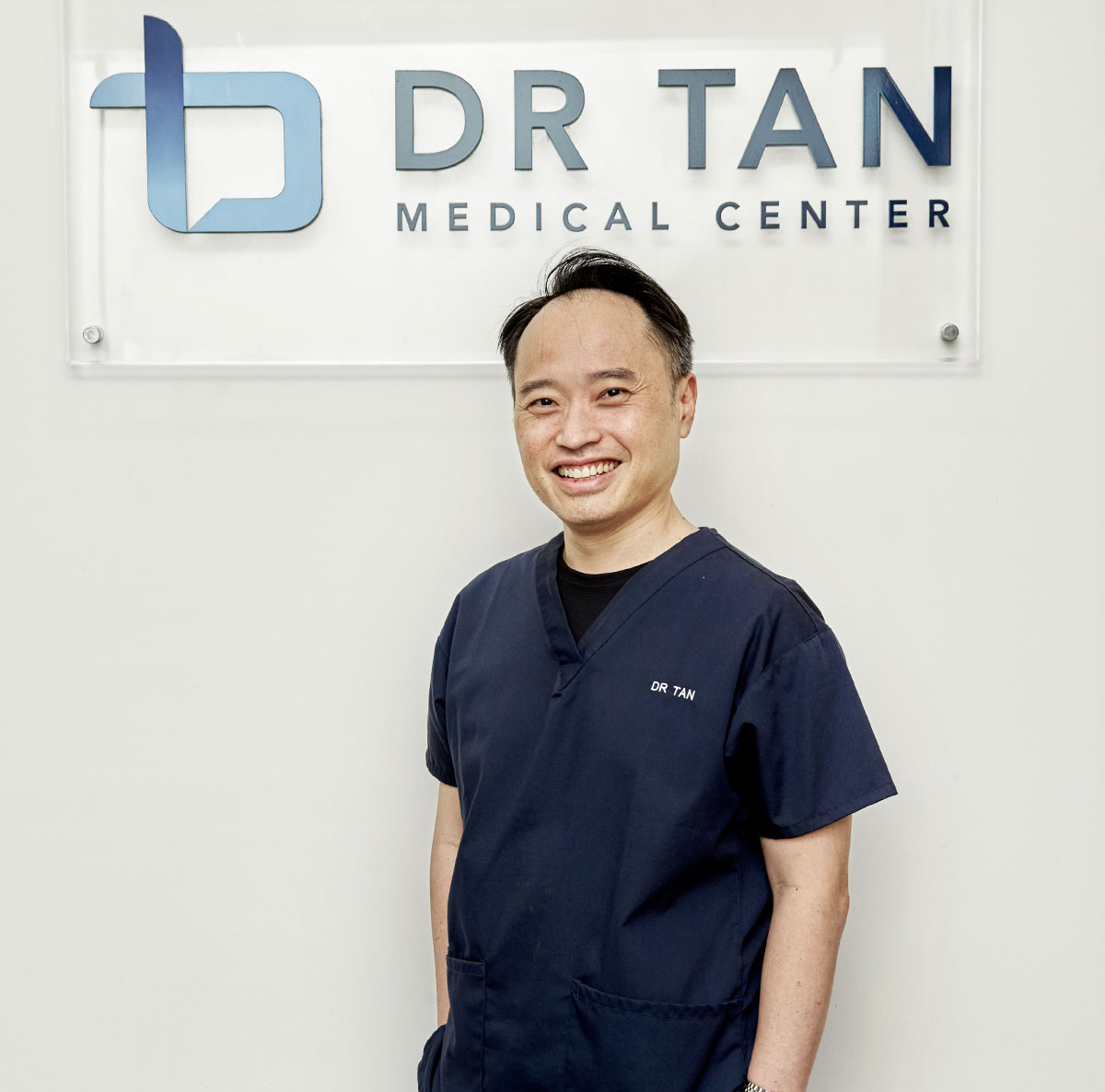
Our TRT Doctor in Singapore
Dr Tan Kok Kuan
Men’s Health & Sexual Health Doctor
MBBS (S’pore), Cert. Men’s Health, Cert. Clinical Dermatology,Member, Academy for Men’s Health (Singapore)Member, Singapore Association for the Study of ObesityMember, International Society of Sexual Medicine
Dr Tan Kok Kuan is an experienced doctor specializing in men's health, sexual health and medical weight loss. With over 20 years of clinical experience, he offers confidential and effective screening and treatment services. Dr Tan Kok Kuan offers testosterone replacement therapy to address low testosterone levels and support improved vitality, mood and physical performance. Notably, Dr Tan was one of the key authors of Singapore’s National HIV PrEP Guidelines and the national blueprint to end HIV transmission by 2030. Dr Tan frequently speaks at local and international conferences and has been featured in the media, where he helps raise public awareness around men’s health and sexual health.
“Every patient deserves our fullest attention.”
If you have any queries, please contact us at 6513 0359 or use the contact form below.

10 Sinaran Drive #09-30, Novena Medical Centre, Singapore 307506
Tel: (+65) 6513 0359 | WhatsApp: (+65) 9750 5037
Operating Hours:
Monday to Friday: 8:30 AM to 6:30 PM
Saturday: 9:00 AM to 2:00 PM
Closed on Sundays and Public Holidays


